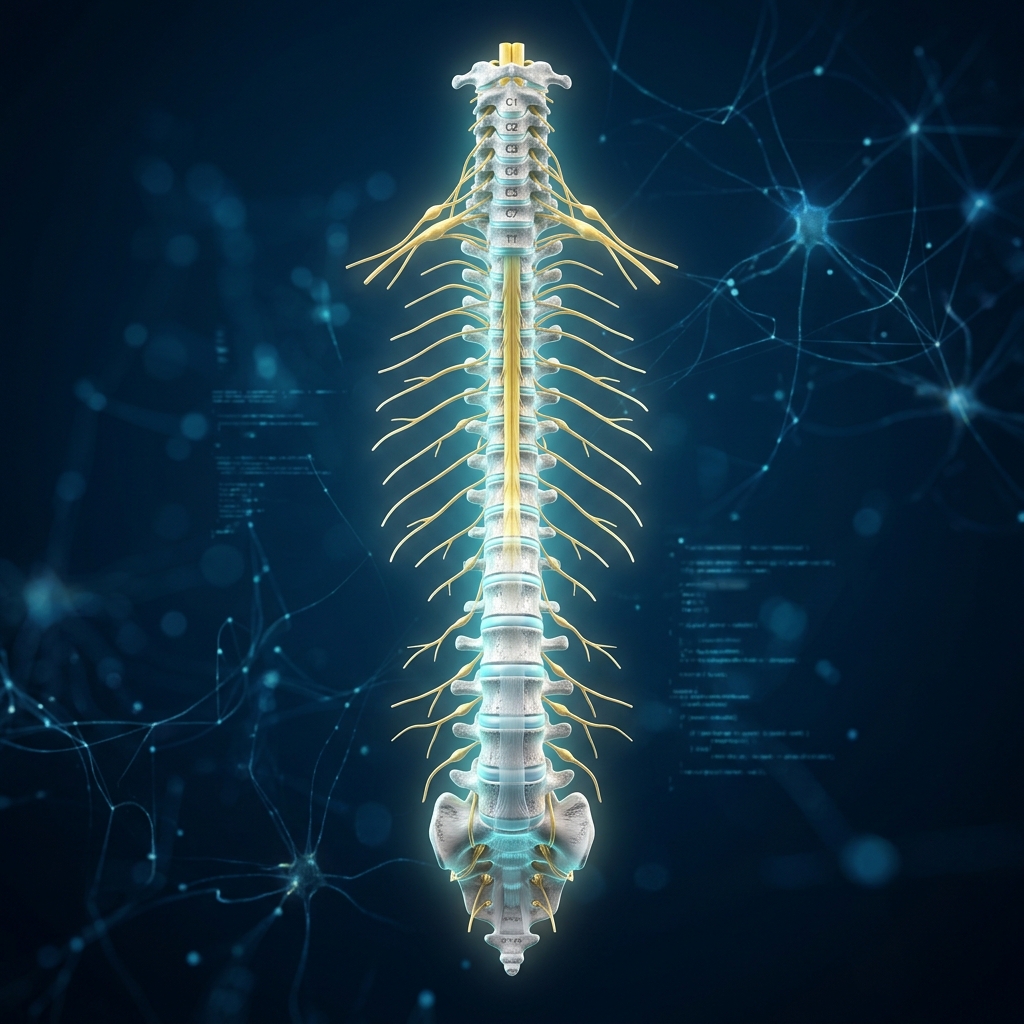
As a neurosurgeon, the most common question I hear is: "Doctor, do I really need surgery for my back pain?" The answer, surprisingly, is often "No"—but with significant exceptions. Let's explore the clinical criteria for spinal intervention.
The "Last Resort" Philosophy
I always tell my patients that spine surgery should be considered a last resort. Approximately **85% to 90% of neck and back pain cases** can be managed successfully through conservative treatments: dedicated physical therapy, anti-inflammatory medications, and lifestyle modifications.
When Surgery becomes Necessary
There are specific "Red Flags" that indicate surgery may be the best—and sometimes the only—option to prevent permanent damage:
- Progressive Weakness: If you find it harder to lift your foot (foot drop) or grip objects.
- Neurological Deficits: Persistent numbness that is spreading or worsening.
- Bowel/Bladder Issues: Sudden loss of control is a surgical emergency.
- Failure of Conservative Care: When pain remains debilitating after 6-12 weeks of therapy.
The Power of Minimally Invasive Options
If surgery is needed, it doesn't always mean a large incision. Modern **Minimally Invasive Spine Surgery (MISS)** allows us to achieve the same goals through incisions as small as 15mm. This means less blood loss, less muscle damage, and a return home often within 24 hours.
Expert Consultation is Key
Scans are only part of the story. A good neurosurgeon treats the patient, not just the MRI. If your pain is interfering with your livelihood or ability to enjoy life, a professional evaluation is your next step.
Experiencing chronic back or neck pain?
Get a comprehensive clinical evaluation by Dr. Arun Saroha.
Book Your Consultation